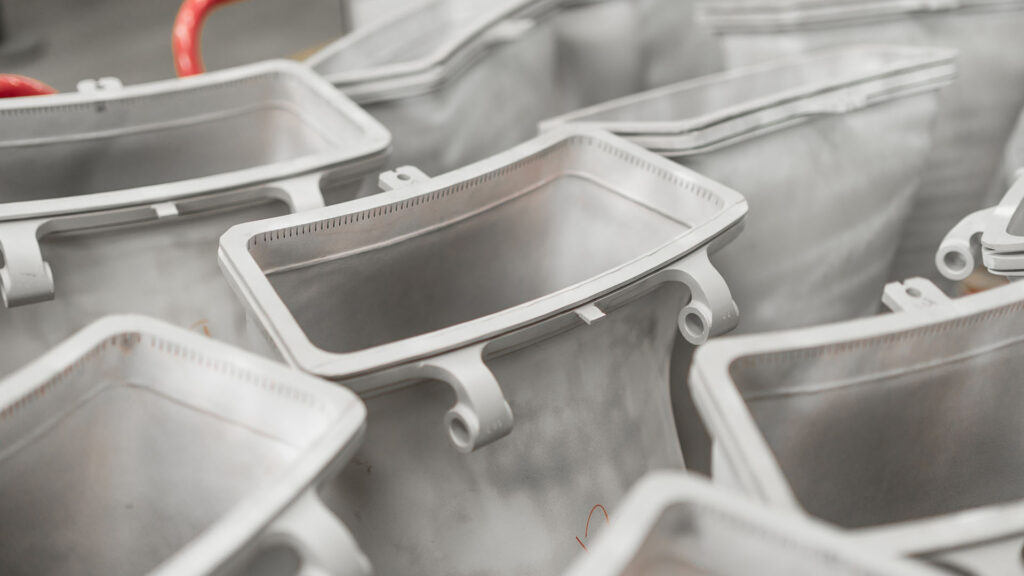
Gas turbines are built for performance, reliability, and longevity. However, even the most robust systems experience wear over time due to extreme temperatures, high rotational speeds, and continuous operational demands. Proactively maintaining and restoring critical components is essential for plant operators who want to extend turbine component life, reduce downtime, and control long term costs.
Below are proven strategies that help maximize performance and ensure your equipment operates at peak efficiency for years to come.
Understand the Causes of Turbine Component Degradation
Gas turbine components operate in some of the harshest industrial environments. Factors that commonly contribute to degradation include:
- High temperature oxidation
- Thermal fatigue from repeated start and stop cycles
- Corrosion caused by contaminants in fuel or air
- Erosion from particulates
- Mechanical stress from high rotational speeds
Understanding how and why components degrade is the first step in developing an effective maintenance and turbine refurbishment strategy.
Implement a Preventive Maintenance Program
Routine inspection and preventive maintenance are the foundation of any effort to extend turbine component life. Waiting until a failure occurs often leads to higher repair costs, secondary damage, and unplanned outages.
For a closer look at day-to-day component care, see our companion piece on extending the life of gas turbine components.
A strong preventive program typically includes:
- Scheduled borescope inspections
- Non destructive testing
- Vibration analysis
- Performance monitoring and trending
- Clearance and alignment checks
By identifying early signs of wear or damage, maintenance teams can address issues before they escalate into major failures.
Invest in Professional Turbine Refurbishment
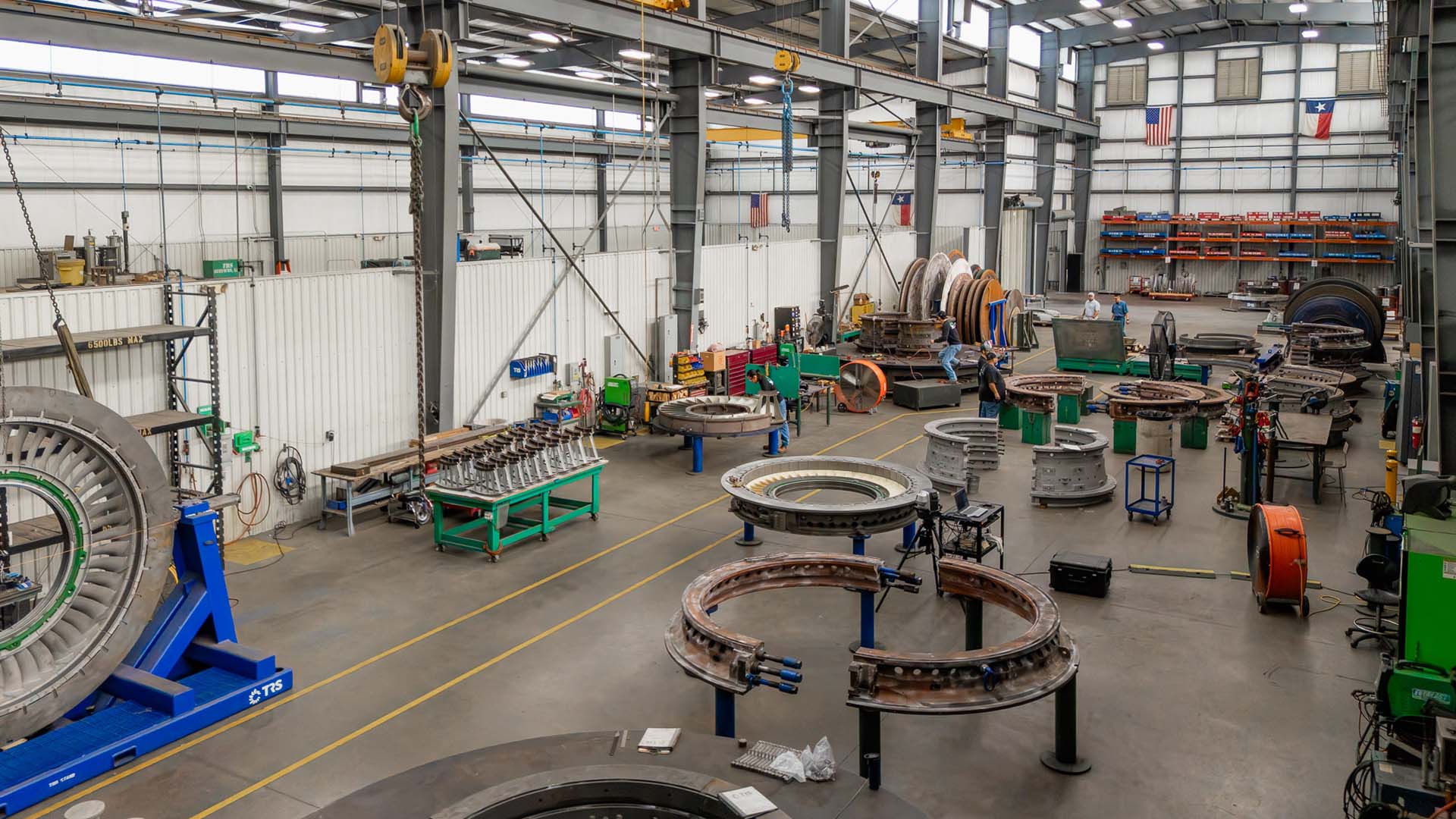
Rather than replacing components at the first sign of wear, many operators turn to turbine refurbishment as a cost effective alternative. Refurbishment involves restoring components to near original specifications, extending their usable life and maintaining performance standards.
Deciding whether to refurbish or replace a given part comes down to the same tradeoffs we cover in repair vs. replace: making the case for critical turbine components.
Professional turbine refurbishment services may include:
- Crack repair and blending
- Re coating of protective thermal barrier coatings
- Tip restoration
- Dimensional restoration
- Heat treatment processes
When performed by experienced specialists, refurbishment can significantly reduce capital expenditures while maintaining reliability.
Prioritize Component Restoration Gas Turbine Services
Critical parts such as blades, vanes, combustion liners, and transition pieces often represent a substantial investment. Component restoration services focus on returning these high value parts to serviceable condition through advanced repair techniques.
Modern restoration methods may involve:
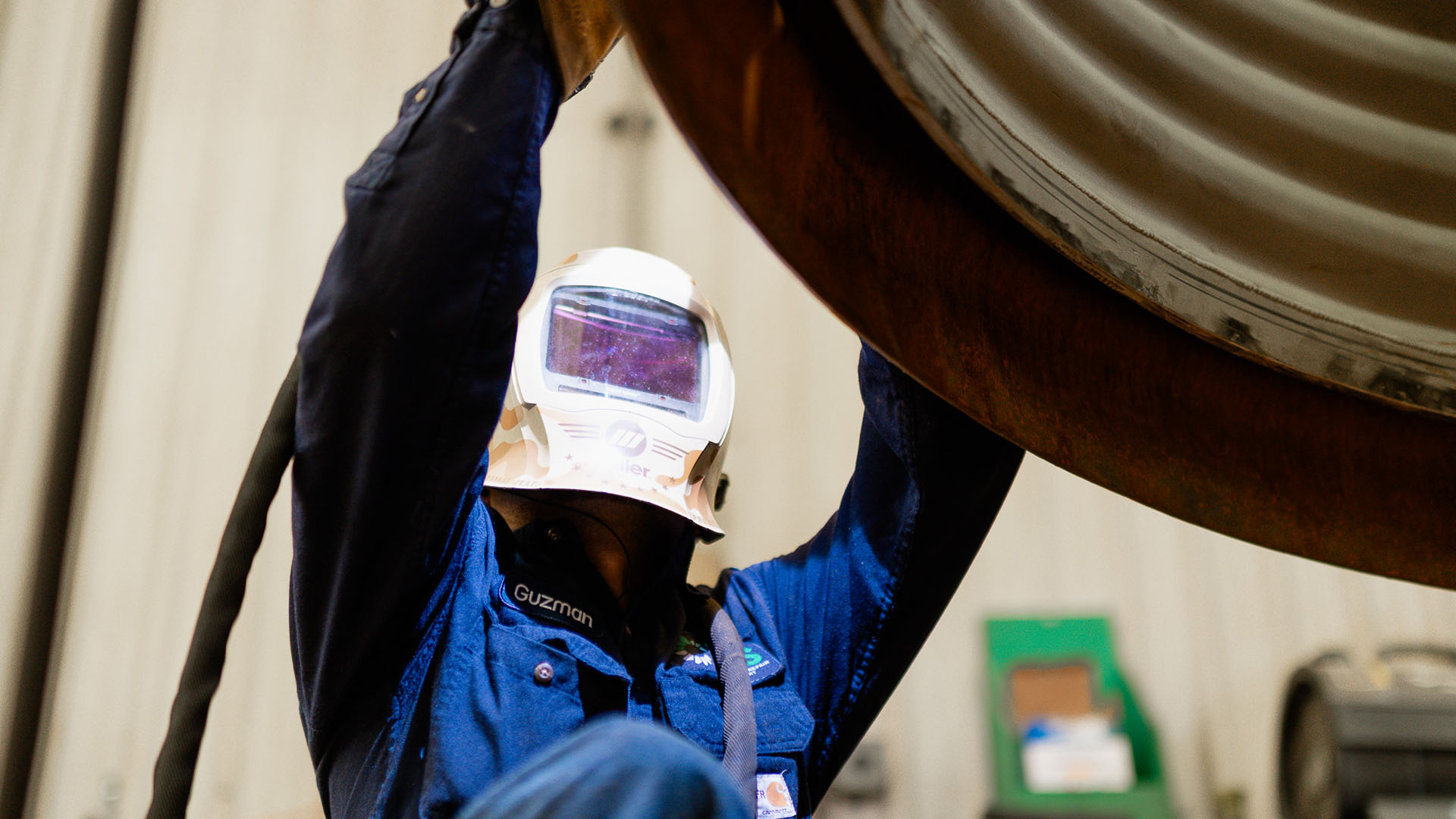
- Precision welding and laser cladding
- Machining to tight tolerances
- Coating reapplication to improve thermal resistance
- Structural reinforcement
These processes not only restore function but can also enhance resistance to future wear, further helping to extend turbine component life.
Use High Quality Materials and Coatings
Protective coatings play a vital role in shielding components from extreme heat and corrosion. Thermal barrier coatings, oxidation resistant coatings, and corrosion resistant overlays provide a protective layer that absorbs much of the operational stress.
Upgrading to advanced coating technologies during turbine refurbishment can improve durability and increase intervals between overhauls.
Monitor Operating Conditions Closely
Operating outside of recommended temperature or load ranges accelerates wear. Continuous performance monitoring allows operators to detect inefficiencies or abnormal trends early.
Pay particular attention to:
- Turbine inlet temperature
- Exhaust temperature spread
- Fuel quality
- Air filtration effectiveness
Maintaining clean air intake systems and high quality fuel sources reduces contaminant exposure, minimizing erosion and corrosion.
Follow OEM Guidelines and Engineering Best Practices
Each turbine model has specific inspection intervals, tolerance limits, and operational guidelines. Adhering to OEM recommendations ensures that maintenance activities align with design intent.
When a component is beyond OEM repair limits, TRS’s new parts manufacturing team can produce a replacement to the same exacting standard.
Partnering with experienced service providers who understand engineering specifications and repair standards further ensures that component restoration gas turbine work meets or exceeds industry requirements.
Plan Outages Strategically
Well planned outages allow for thorough inspection, refurbishment, and restoration without unnecessary downtime. Coordinating inspections, repairs, and upgrades during scheduled shutdowns helps avoid costly emergency outages.
Strategic outage planning starts with a clear-eyed outage readiness audit, so crews know exactly what they’re walking into before work begins.
A proactive outage strategy should include:
- Advance parts evaluation
- Clear scope definition
- Experienced technical oversight
- Detailed documentation of repairs
This approach streamlines turbine refurbishment activities and ensures efficient return to service.
The Long Term Value of Proactive Restoration
Extending the life of gas turbine components is not simply about reducing short term repair costs. It is about improving reliability, maximizing output, and protecting capital investment.
Through preventive maintenance, advanced turbine refurbishment techniques, and specialized component restoration gas turbine services, operators can extend turbine component life while maintaining high performance standards.
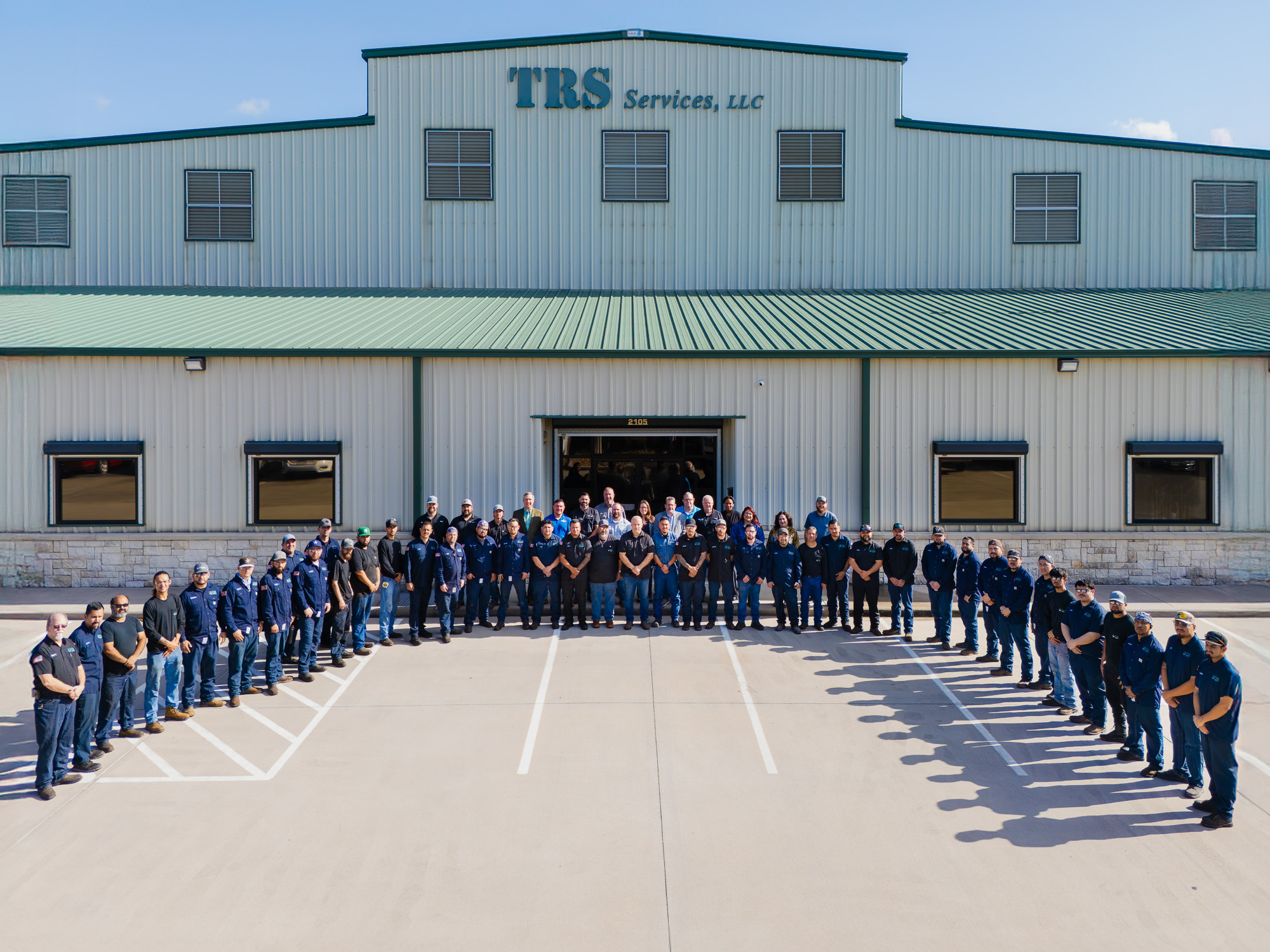
By working with knowledgeable service providers such as TRS Services and implementing a comprehensive maintenance strategy, organizations can achieve greater operational efficiency and long term asset value from their gas turbine systems.