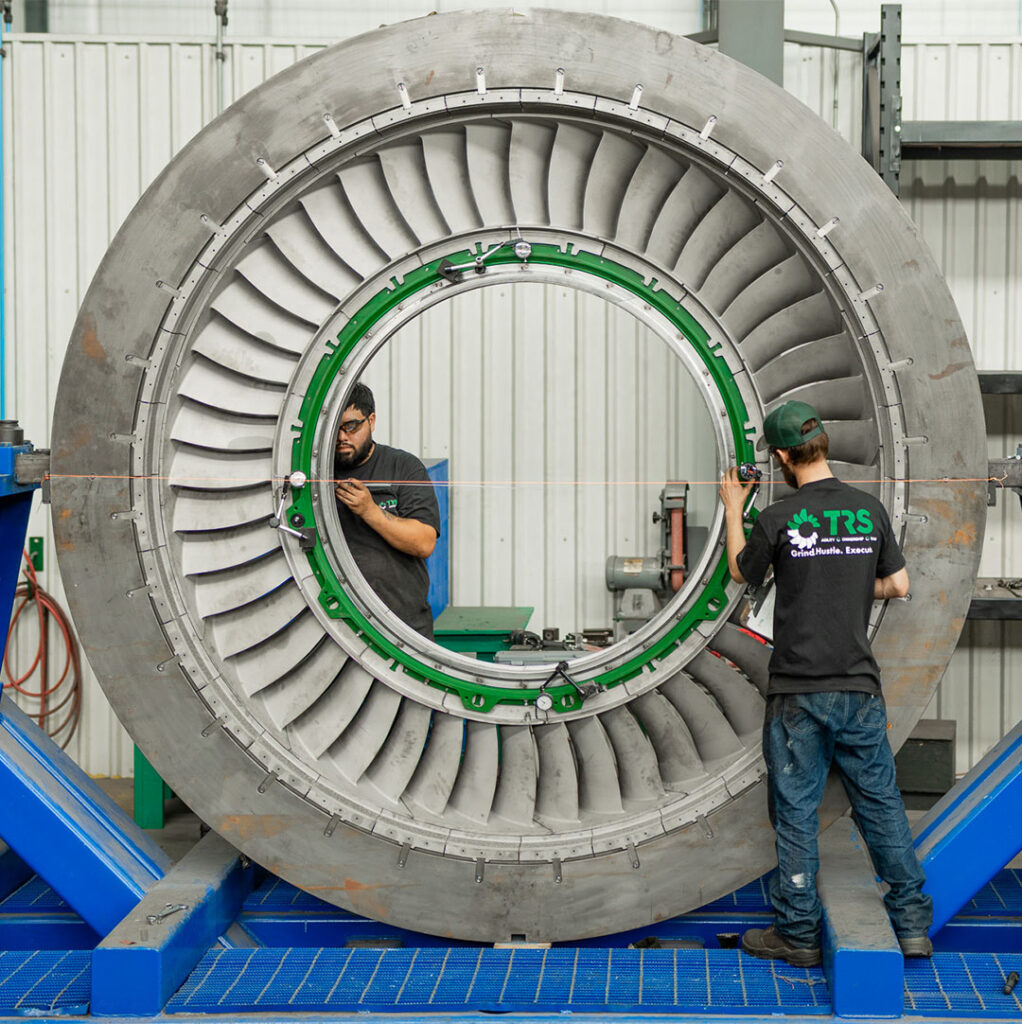
When critical turbine components show signs of wear or failure, operators face a familiar dilemma: repair what you have or replace it entirely. The decision is rarely simple and often carries major implications for cost, downtime, performance, and long-term reliability. Understanding the factors that influence turbine component repair vs replace decisions can help plant managers and maintenance teams protect assets while maximizing return on investment.
Whether you are managing a single unit or an entire fleet, a strategic approach to component evaluation is essential for extending equipment life and maintaining operational efficiency.
Understanding the True Cost of Replacement
Replacement is often viewed as the safer or more straightforward option, especially when dealing with heavily worn components. New parts offer the appeal of factory specifications, warranties, and predictable performance. However, replacement also brings higher upfront costs, longer lead times, and potential supply chain delays.
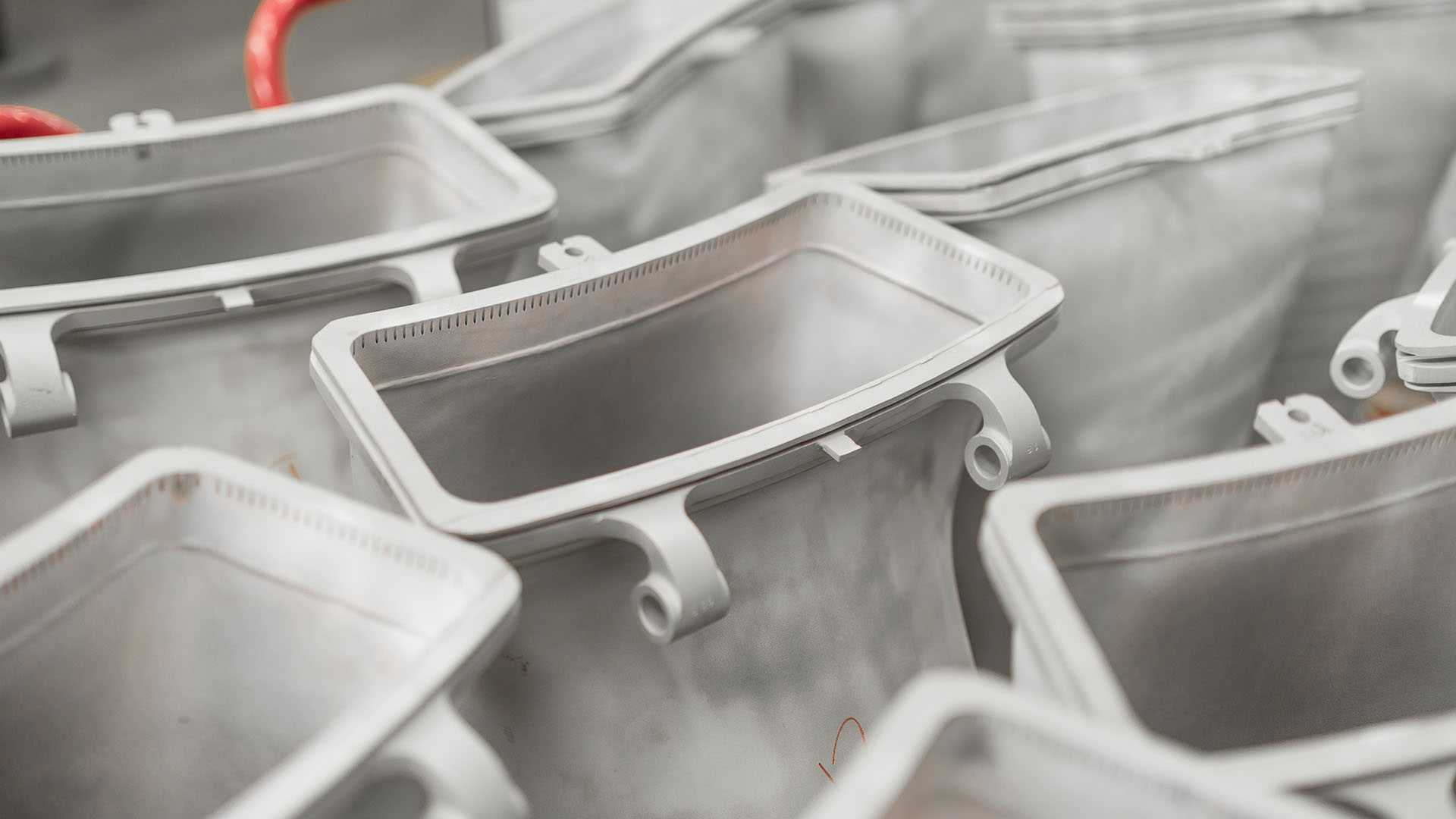
In many cases, full replacement may not be necessary. Components such as blades, vanes, combustors, and rotors can often be restored to like-new condition through advanced repair processes. This is where a deeper analysis becomes critical.
The Role of Life Extension in Gas Turbine Strategy
Life extension gas turbine programs focus on restoring and preserving critical components so equipment can operate reliably beyond its original design life. This approach is especially valuable for operators looking to defer capital expenditures or maximize the value of existing assets.
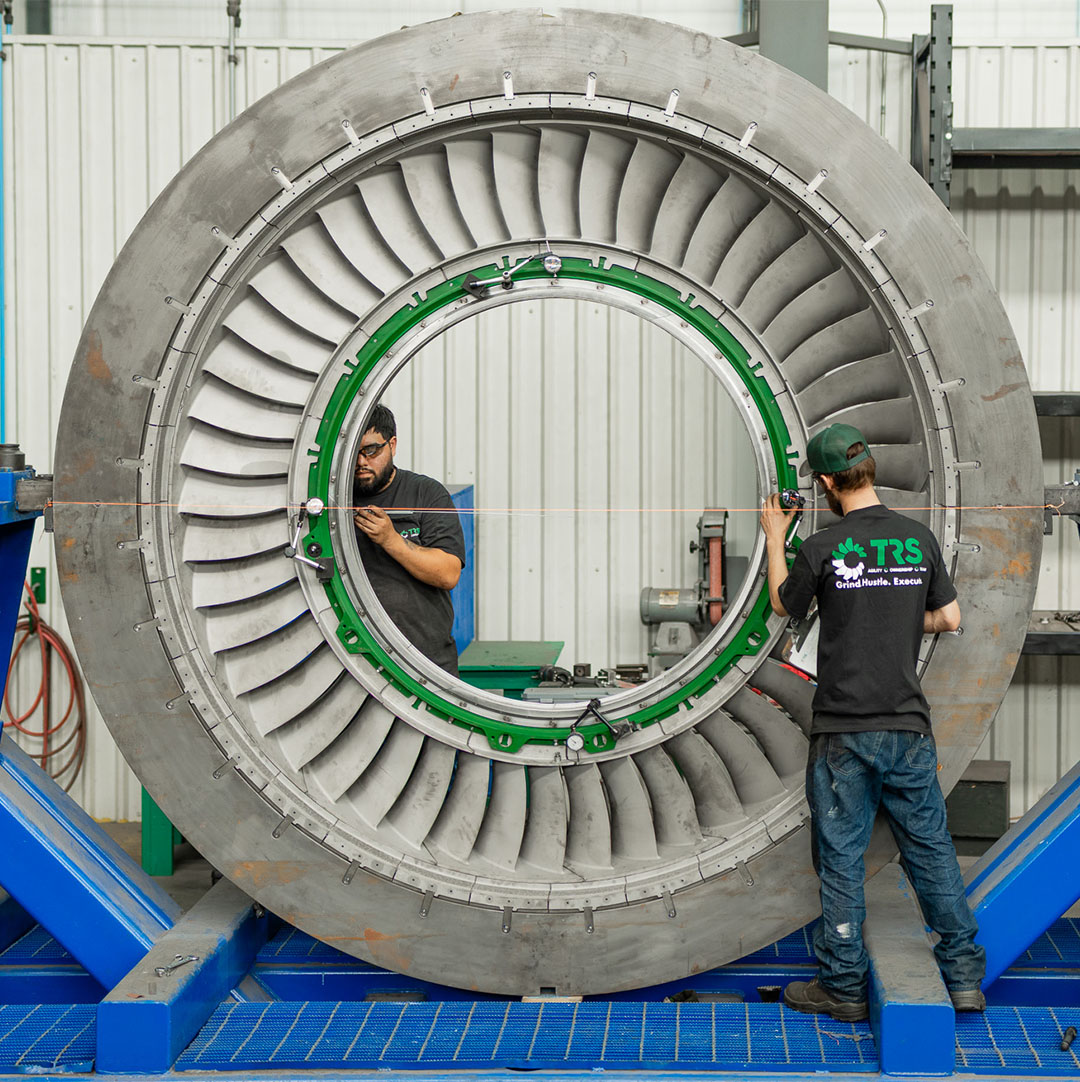
Through precision welding, heat treatment, coating applications, and dimensional restoration, experienced service providers can extend component life while maintaining performance and safety standards. When executed correctly, life extension strategies can significantly reduce lifecycle costs without sacrificing reliability.
Evaluating Repair Viability
Not every component is a candidate for repair, but many are. A thorough inspection process typically includes:
- Visual and dimensional inspections
- Non-destructive testing methods such as ultrasonic or fluorescent penetrant inspection
- Metallurgical analysis when needed
These evaluations help determine the extent of damage and whether repair will restore the component to acceptable service condition. In many cases, the cost of repair is a fraction of replacement, with faster turnaround times and less operational disruption.
Why LCC Analysis Matters
Lifecycle cost analysis, often referred to as LCC analysis turbine planning, plays a major role in repair versus replace decisions. This method evaluates total ownership cost over the life of a component, not just the initial price tag.
LCC analysis considers factors such as:
- Initial repair or replacement cost
- Expected service life after work is completed
- Downtime and lost production
- Maintenance frequency and associated labor
- Risk of future failure
By looking at the complete financial picture, operators can make informed decisions that align with long-term operational goals rather than short-term convenience.
Performance and Reliability Considerations
Modern repair technologies have advanced significantly. High-quality repairs can restore aerodynamic profiles, structural integrity, and thermal protection systems to OEM-level standards. In some cases, upgraded materials and coatings can even improve performance and durability beyond the original design.
This makes turbine component repair vs replace decisions less about compromise and more about strategy. With the right expertise, repair can be a proactive solution rather than a reactive one.
Downtime and Lead Time Impacts
Replacement parts often come with manufacturing lead times, especially for large or specialized components. Extended outages can be costly and disruptive. Repair services, particularly those offered by experienced providers with in-house capabilities, typically offer faster turnaround.
Reducing downtime not only improves productivity but also minimizes the ripple effects across operations, scheduling, and revenue.
Making the Smart Call
The choice between repair and replacement should never be based on habit or assumption. It should be driven by data, inspection results, and a clear understanding of long-term objectives. When life extension gas turbine strategies are combined with thorough LCC analysis turbine evaluations, operators gain the clarity needed to make confident, cost-effective decisions.
Don’t Blow Your Budget, Let Your Turbine Breathe Easy
Critical turbine components are too valuable to treat as disposable. In many cases, repair and life extension solutions provide the performance, reliability, and savings operators need to stay competitive. If you are weighing turbine component repair vs replace options or want to explore life extension strategies, contact TRS Services to speak with specialists who can evaluate your equipment and help you make the right call for your operation.