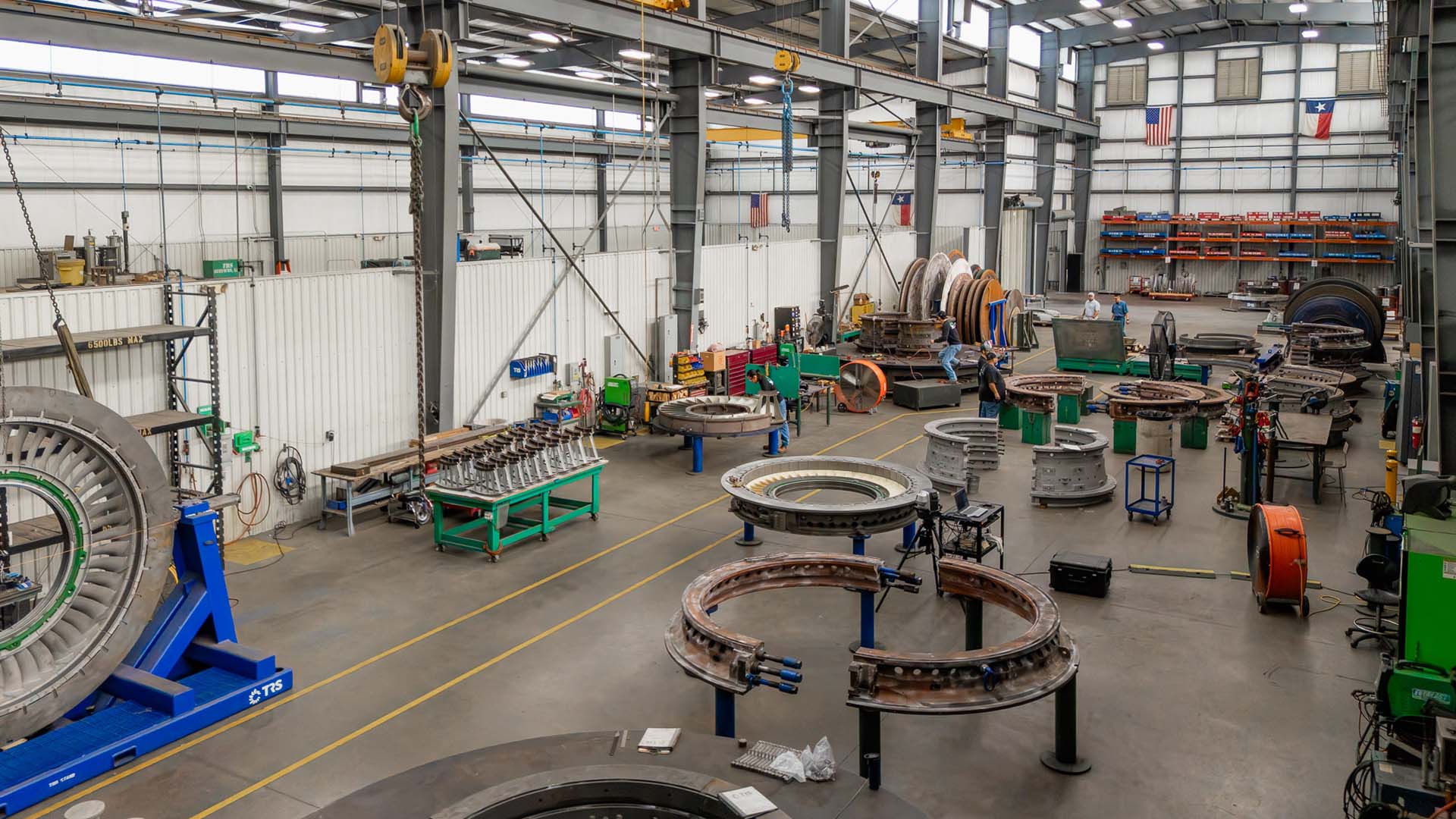
An outage readiness audit is a structured, on-site evaluation conducted before a planned shutdown. Its goal is simple but essential: confirm that every element required for a successful outage is in place before work begins.
Rather than reacting to issues during disassembly, engineers use audits to convert uncertainty into pre-defined decisions, staging resources and aligning teams ahead of time. This proactive approach is widely recognized as a key factor in avoiding schedule overruns and cost escalation.
Why Outage Readiness Matters More Than Ever
Modern turbine systems operate under tight performance, regulatory, and financial constraints. Even short outages can lead to significant revenue losses, sometimes measured in thousands of dollars per hour depending on output levels.
A thorough audit works hand in hand with contingency planning, giving plant teams a clear picture of what could go wrong before the outage ever begins.
An effective outage readiness audit helps organizations:
- Minimize downtime and lost production
- Reduce emergency repair costs
- Improve safety and compliance outcomes
- Ensure predictable scheduling and execution
Core Elements of an Outage Readiness Audit
Engineers performing an outage readiness audit typically focus on several key categories during their on-site evaluation.
- Scope and Planning Validation
Before any physical work begins, auditors confirm that the outage scope is clearly defined and aligned with operational goals.
Key checks include:
- Defined work scope and scope freeze dates
- Logic-linked schedules with critical path visibility
- Budget approvals and contingency allocations
- Lessons learned from previous outages
A lack of clarity here often leads to mid-outage scope creep, one of the most common causes of delays.
- Turbine Site Assessment and Equipment Condition
A thorough turbine site assessment evaluates the current condition of critical components and identifies potential failure points.
Engineers look for:
- Signs of wear such as cracking, erosion, or coating loss
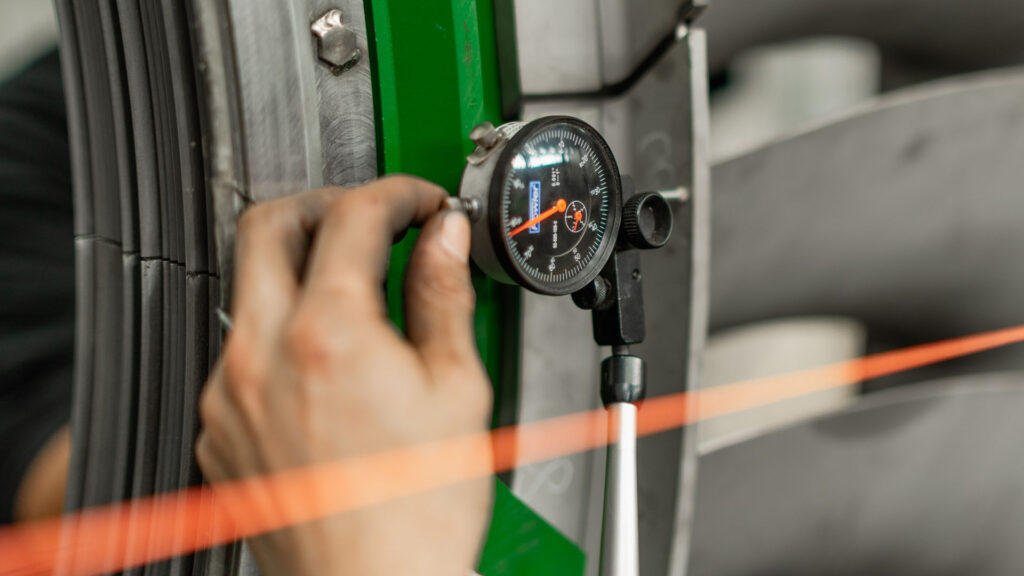
- Rotor alignment, runout, and balance conditions
- Blade, vane, and seal integrity
- Historical performance data and fault logs
This step ensures that inspection triggers and repair thresholds are clearly defined before teardown begins, allowing faster decisions once components are exposed.
- Outage Pre-Inspection and Data Collection
The outage pre-inspection phase gathers the baseline data needed to guide maintenance decisions.
Typical activities include:
- Visual and borescope inspections
- Vibration and thermographic analysis
- Oil analysis and condition monitoring
- Review of OEM service bulletins and maintenance history
A strong pre-inspection process allows teams to move from reactive maintenance to condition-based planning, improving both efficiency and reliability.
- Workforce and Resource Readiness
Even the best plan fails without the right people and tools in place. Engineers assess whether the workforce and logistics chain are fully prepared.
Important considerations:
- Availability of skilled labor and technical specialists
- Training and safety readiness of on-site teams
- Tooling, rigging, and lifting equipment condition
- Vendor coordination and subcontractor alignment
Labor and resource gaps are among the most common risks identified during outage readiness audits.
- Spare Parts, Materials, and Supply Chain
Delays often stem from missing or late components. Audits verify that all critical materials are staged or available.
Engineers confirm:
- Critical spares and exchange parts are on-site or pre-ordered
- Long-lead materials are secured with contingency options
- Vendor capabilities and turnaround times are validated
- Logistics plans for shipping and storage are finalized
Pre-staging parts and defining alternates can dramatically reduce downtime when unexpected issues arise.
- Quality Assurance and Safety Systems
Safety and compliance are non-negotiable in outage execution. Auditors ensure that all procedures meet required standards.
This includes:
- Non-destructive examination methods and acceptance criteria
- Documentation and reporting requirements
- Site-specific safety plans and training
- Foreign material exclusion and handling procedures
A well-prepared QA framework reduces rework, improves reliability, and supports regulatory compliance.
- Contingency Planning and Risk Mitigation
One of the most valuable aspects of an outage readiness audit is identifying risks before they become problems.
Engineers develop:
- Decision trees for repair versus replacement
- Pre-approved vendors and repair pathways
- Backup schedules and alternative work sequences
- Risk registers with severity and probability rankings
This structured contingency planning enables faster decision-making during the outage, often reducing delays from days to hours.
Common Findings During On-Site Audits
Even well-prepared sites often reveal gaps during an outage readiness audit. Common findings include:
Many of these findings trace back to how components were handled long before the outage, which is why proper handling from crate to install matters just as much as the repair work itself.
- Incomplete or outdated inspection data
- Missing or delayed spare parts
- Misaligned schedules between teams and vendors
- Gaps in safety or quality documentation
- Insufficient contingency planning
Identifying these issues early is what transforms an outage from reactive to controlled.
The Long-Term Value of a Strong Audit Process
A well-executed outage readiness audit delivers benefits that extend beyond a single maintenance event.
Disciplined auditing is one of several strategies for preventing unplanned turbine outages that plant managers can build into their annual planning.
Over time, organizations that invest in structured audits and turbine site assessments tend to see:
- Improved asset reliability and lifespan
- Reduced frequency of unplanned outages
- Lower maintenance costs over the lifecycle
- Better coordination across engineering, operations, and vendors
Ultimately, outage readiness is not just about preparation. It is about building a repeatable system that improves performance with every cycle.
Final Thoughts
In today’s high-demand operating environment, outages are too important to leave to chance. A comprehensive outage readiness audit, supported by detailed turbine site assessment and rigorous outage pre-inspection, gives engineering teams the clarity and control they need to execute with confidence.
If an audit uncovers components that need attention, TRS’s turbine component repair team can move quickly from findings to fix — contact us to schedule your next outage readiness audit.
By focusing on planning, data, resources, and risk mitigation before the outage begins, organizations can turn one of their most complex operational challenges into a predictable and optimized process.