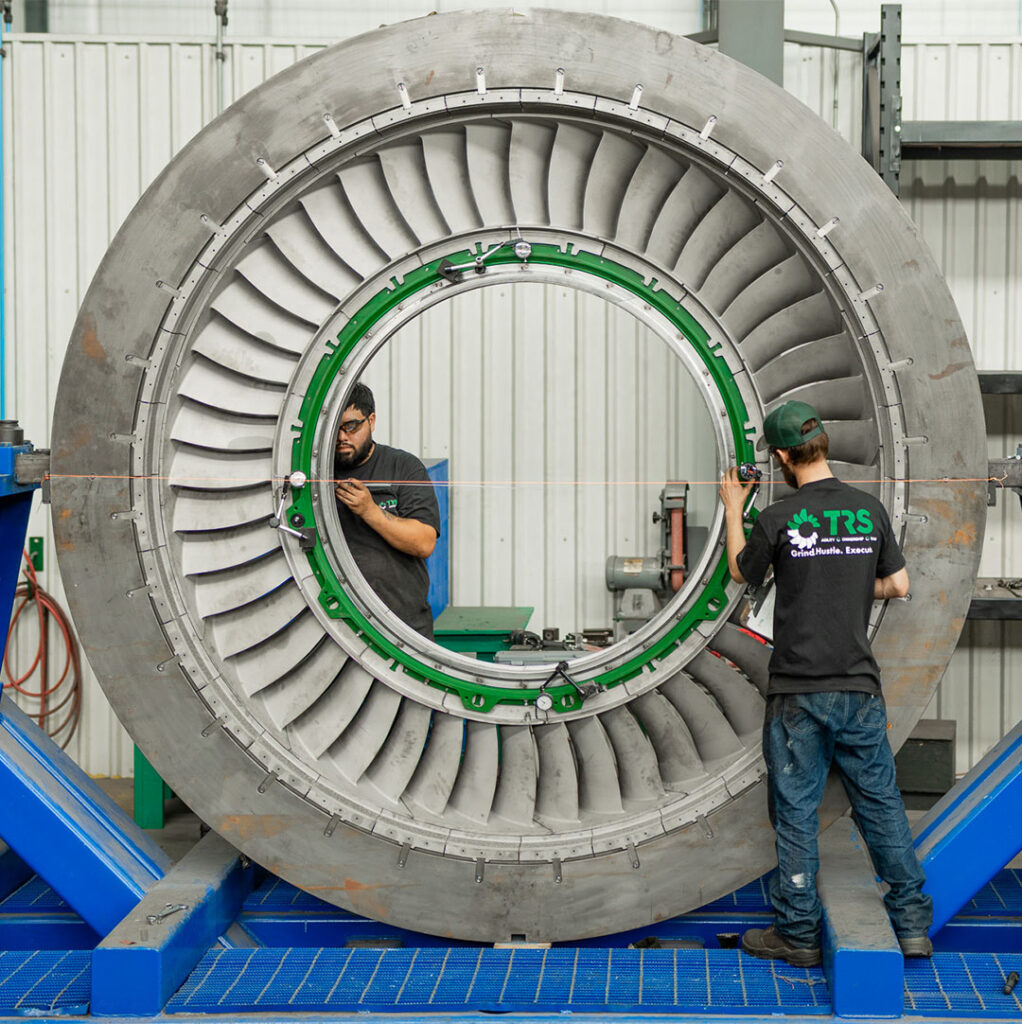
When a critical turbine component leaves a repair facility or manufacturing site, the work is far from complete. The journey from shipping container to final installation requires careful planning, specialized equipment and strict handling procedures to protect the component’s integrity.
For operators managing industrial gas turbines, proper turbine component handling is essential for preventing damage, avoiding installation delays and maintaining long-term equipment reliability. From shipping turbine parts to final placement during an outage, every step matters when dealing with precision-engineered components.
Why Proper Turbine Component Handling Matters
Gas turbine components are designed to operate under extreme conditions, including high temperatures, pressure changes and continuous mechanical stress. Many parts require precise tolerances to perform correctly, meaning even minor damage during transportation or handling can create issues during installation or operation.
Improper handling can lead to:
- Surface damage or deformation
- Contamination from dirt or moisture
- Improper storage conditions
- Alignment issues during installation
- Unexpected delays during planned outages
Because turbine components are often high-value, mission-critical assets, protecting them throughout the supply chain is an important part of maintaining plant reliability.
The Process Begins Before the Component Ships
Safe handling starts before a part ever leaves the facility. Proper preparation helps ensure components arrive ready for inspection, installation and service.
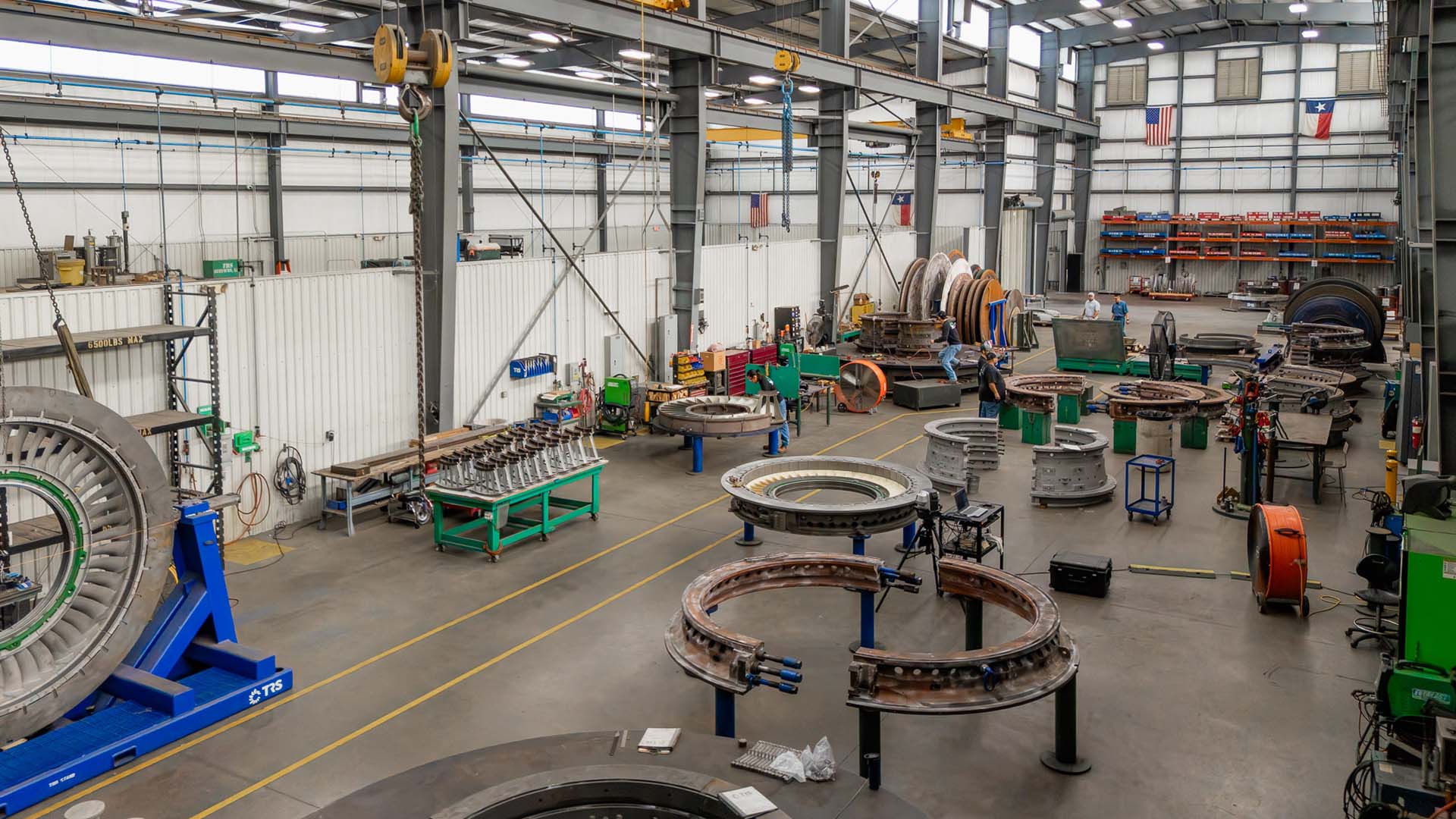
Before a component ever leaves the shop, TRS engineers have already worked through the decision of whether it should be restored or replaced with a newly manufactured part, so packaging and transport can be planned around the right outcome.
Before shipping, teams should verify:
- Component identification and documentation
- Inspection results and quality records
- Protective packaging requirements
- Lifting points and handling instructions
- Environmental protection needs
For repaired or newly manufactured components, documentation and inspection provide important verification that the part meets required specifications before it enters the next stage of its lifecycle.
Best Practices for Shipping Turbine Parts
Transportation introduces several risks, especially for components with specialized coatings, precision surfaces or complex geometries. Proper packaging and logistics planning help reduce those risks.
Every shipment begins in TRS’s shop, where components are inspected, packaged, and staged to OEM specification before they ever leave the building.
Key considerations for shipping turbine parts include:
- Using appropriate protective materials to prevent impact damage
- Securing components to prevent movement during transit
- Protecting surfaces from corrosion or contamination
- Selecting transportation methods suited to the size and weight of the component
- Coordinating delivery timing with outage schedules
A component arriving late or damaged can create significant operational challenges, especially when equipment availability depends on a strict maintenance timeline.
Safe Handling of Gas Turbine Components During Installation
Once components arrive onsite, careful handling continues. Installation teams must use the correct lifting equipment, follow manufacturer guidelines and avoid unnecessary contact with critical surfaces.
Important steps include:
- Inspecting components upon arrival
- Confirming lifting equipment capacity
- Using approved rigging methods
- Maintaining clean work environments
- Verifying proper alignment before assembly
Many turbine components require specialized repair, machining, coatings or inspection processes to restore performance standards. Maintaining that quality through installation is just as important as the work performed before shipment.
How Proper Handling Helps Reduce Turbine Downtime
Unexpected downtime can be costly for facilities that depend on continuous turbine operation. A damaged component, delayed shipment or installation issue can extend an outage and impact production schedules.
Handling is just one of the variables engineers review during an outage readiness audit, where logistics and installation timing are assessed alongside the condition of the turbine itself.
A complete approach to safe handling gas turbine components helps reduce risk by ensuring parts arrive in the condition expected and are ready for service when needed.
Planning ahead allows teams to:
- Minimize installation delays
- Protect expensive turbine assets
- Improve outage efficiency
- Maintain equipment reliability
From Repair Facility to Reliable Operation
Every stage of a turbine component’s journey matters. Quality repairs, precision manufacturing and proper handling all work together to support reliable turbine performance.
Protecting a component in transit safeguards the investment made in the repair, supporting the broader goal of extending the operating life of the turbine.
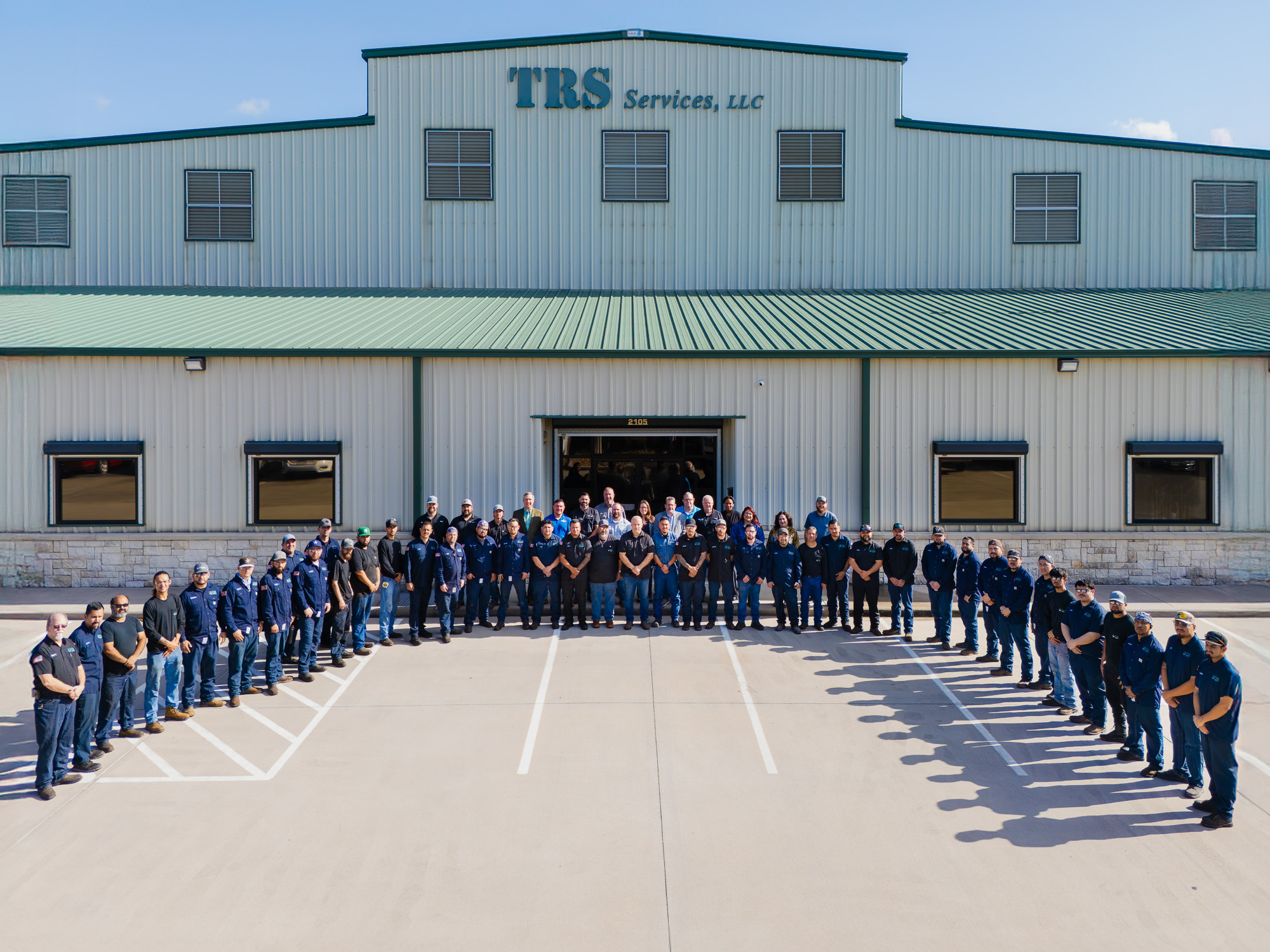
TRS Services supports industrial turbine operators with component repair, manufacturing and technical solutions designed to help reduce downtime and extend equipment life. Their capabilities include turbine component repair, precision machining, coatings, inspection and other processes that support critical turbine assets.
Protecting Every Component, Every Step of the Way
A turbine component is only as reliable as the care it receives throughout its lifecycle. From the moment it is packaged for transport to the final installation, proper handling protects performance, safety and operational uptime.
Contact TRS to talk through logistics for your next component shipment.
By prioritizing turbine component handling, careful shipping turbine parts and proven installation practices, facilities can help ensure their equipment is prepared to perform when it matters most.